Rescue. Rehabilitate. Rewild. Protect.
Our work goes beyond the rescue of a single animal. Every rhino’s journey depends on specialist care, protected landscapes, anti-poaching security, biodiversity conservation, community-centred impact and long-term stewardship.
We work to protect a future where rhinos, people and protected areas can thrive together.
A complete conservation model for rhinos, people and protected areas
Care for Wild was founded in response to South Africa’s rhino poaching crisis and has grown into a complete conservation model built around rescue, rehabilitation, rewilding, protection, biodiversity and people.
Our work begins when an orphaned or injured rhino needs urgent help. It continues through specialist care, daily rehabilitation, long-term monitoring followed by rewilding and release into protected wild spaces.
But successful rhino conservation cannot happen in isolation.
Rhinos need safe landscapes. Protected areas need skilled people on the ground. Communities need meaningful opportunities and sustainable livelihoods. Biodiversity needs careful stewardship. Conservation teams need training, research, equipment and operational support.
Care for Wild brings these elements together through one integrated mission: to give a threatened keystone species a second chance at life while helping protect the ecosystems and communities their future depends on.
We don’t just save rhinos. We restore futures, for rhinos, for ecosystems and for our children, for generations to come.
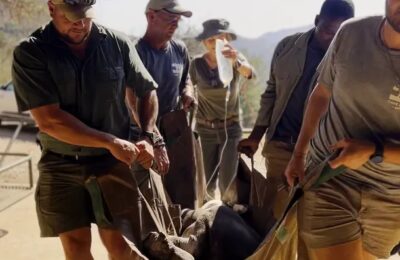
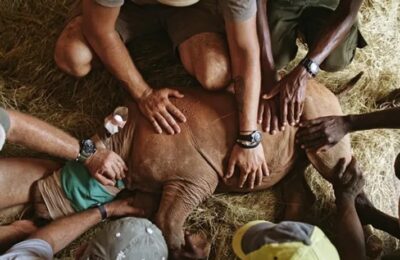
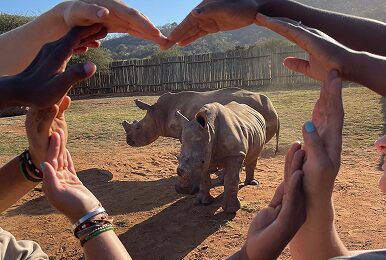
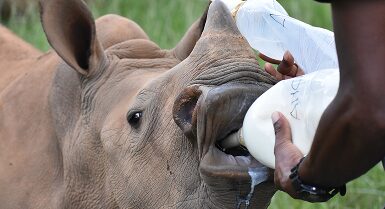

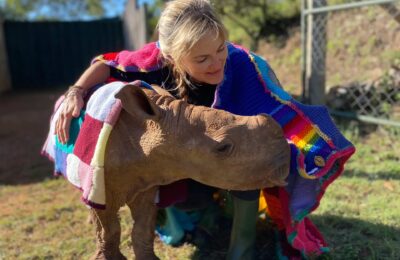
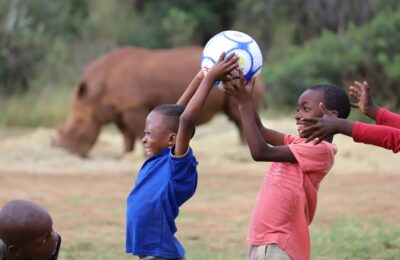
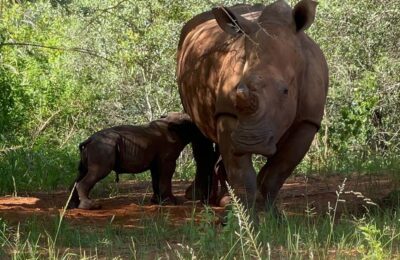

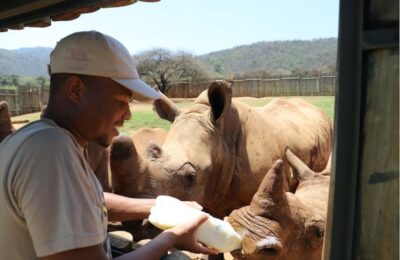
Our work in action
Care for Wild's conservation model has evolved over decades. Each pillar exists because we learned what was needed to make the next stage successful. Rehabilitation isn't just something that happens after rescue, it's a highly developed process that enables rewilding. Protection isn't separate from rewilding, it ensures released rhinos survive and reproduce, and our community projects create the social and ecological conditions that make long-term conservation possible.Explore the key areas of our work below.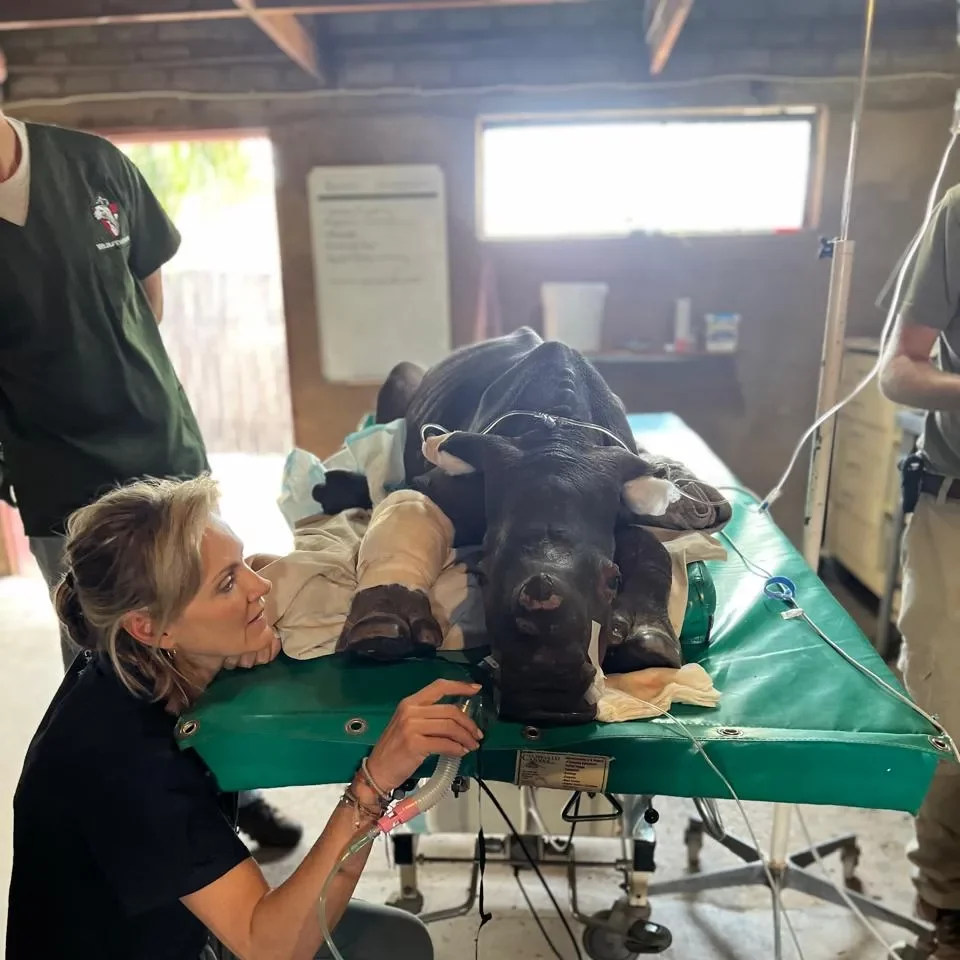
Rescue
Emergency response for orphaned and injured rhinos
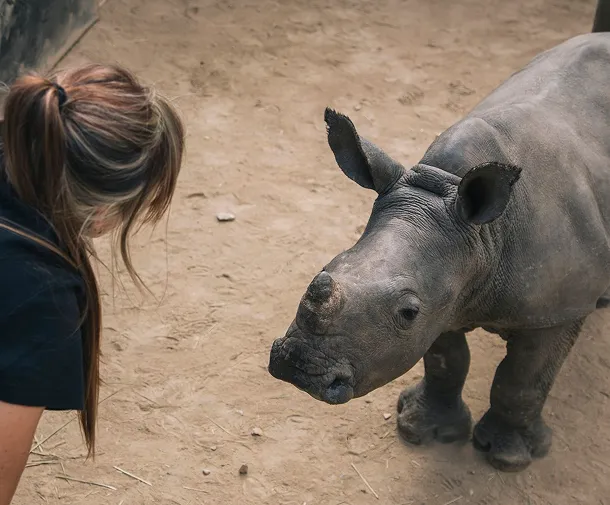
Rehabilitation
Specialist care through every stage of recovery
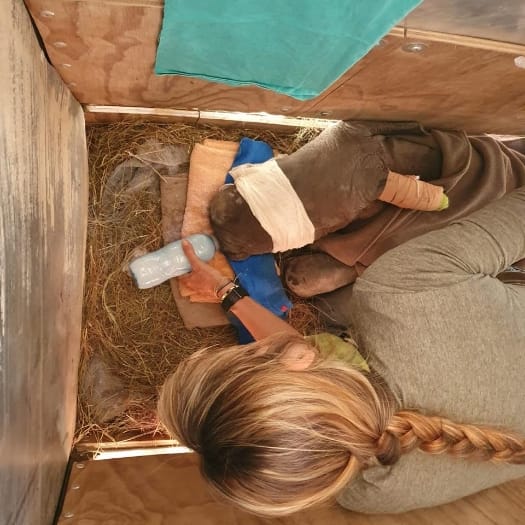
Rewilding & Release
Helping rhinos return to protected wild spaces

Protection & Anti-Poaching
24/7 protection for rhinos

Biodiversity Conservation
Protecting the ecosystems that protect rhinos

People & Communities
Conservation succeeds when people are part of the future
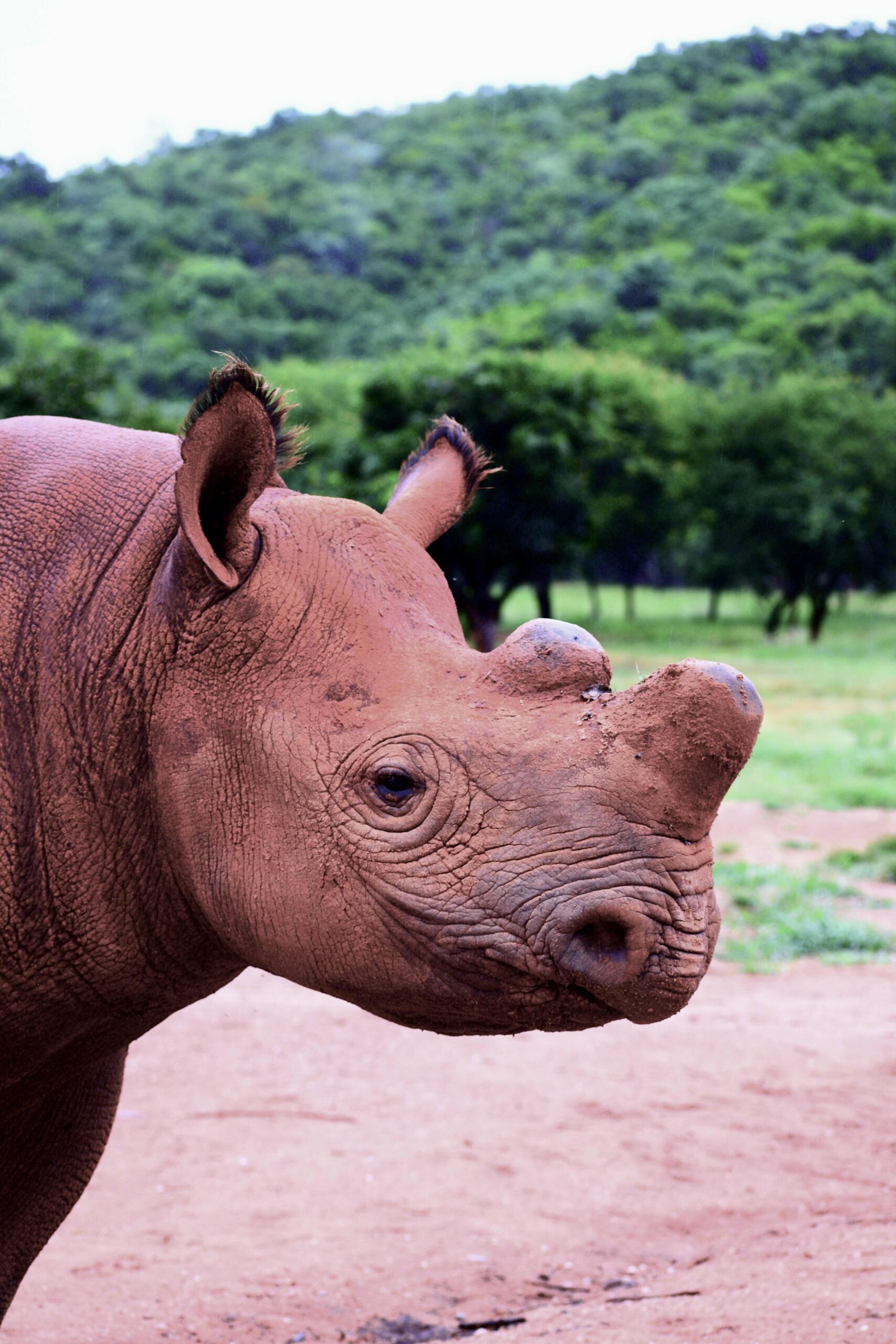
Research & Training
Building knowledge, skills and conservation capacity
From rescue to a future in the wild
Every rhino’s journey is different, but each one depends on a carefully connected system of care.
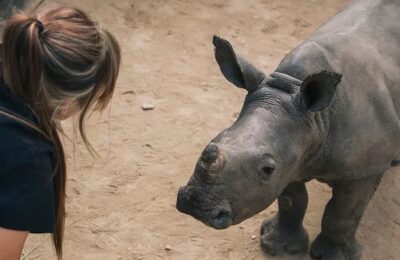
Every rescued rhino is different. Some arrive as vulnerable calves needing around-the-clock care, while others require long term, specialist treatment for injuries and trauma. Rehabilitation is always tailored to their individual needs.
Emergency Rescue
When an orphaned or injured rhino is found, every minute matters. Veterinarians, rangers, conservation authorities and field teams work together to safely stabilise and transport the rhino to Care for Wild.Intensive Care
The most fragile rhinos may require veterinary support, specialist nutrition, fluid therapy, round-the-clock monitoring and urgent care from highly trained staff.High Care
Slightly older, larger orphaned rhino calves are cared for in the High Care Unit, where specially designed facilities allow for daily care tailored to their individual needsBoma Rehabilitation
Rhinos continue to grow stronger through specialist care, nutrition, health monitoring and dedicated management.Social Integration
Rhinos are introduced into carefully managed crash groups, where they build relationships, develop natural social behaviours and gain confidence through interaction with other rhinos.Rewilding Preparation
As rhinos become stronger and more independent, they are gradually prepared for life in larger protected spaces.Rewilding & Release
Rhinos move into protected wild environments where they remain closely monitored and protected as they integrate into the wild and help establish sustainable breeding populations.Long-Term Protection
Every released rhino remains part of an ongoing conservation story. Through continued protection and monitoring, rescued rhinos become breeding adults, raise the next generation and help rebuild wild populations.Every adoption and donation helps support the broader rhino care and conservation fund.
Real conservation carries real daily costs
Rhino rescue and protection require long-term commitment. The cost of care continues long after the rescue.
A calf in ICU needs specialist nutrition, veterinary intervention, medication, fluid therapy and round-the-clock care. A rhino in rehabilitation need at least 16L of milk a day, supplementary feed, safe and clean facilities,and a dedicated care team. A rewilded rhino needs healthy landscapes and ongoing protection.
Your support helps make this work possible.
You do not need to cover a full monthly cost to make a meaningful difference. Every donation, of every size, helps sustain Care for Wild's work.
The people behind the rhinos
Behind every rescued rhino is a team of people working with empathy, passion, diverse skillsets and immense dedication.
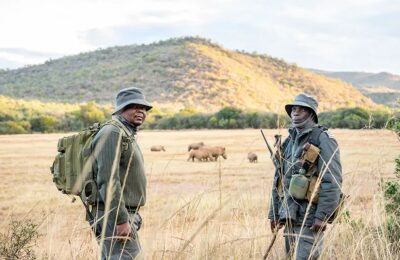
Caregivers, veterinarians, rangers, field teams, K9 handlers, mounted units, conservation managers, community members, volunteers and supporters all form part of a network that makes saving a species from extinction possible.
It is the quiet, relentless work that happens before sunrise, after dark, in the bomas, out in the field and behind the scenes, every single day.This work takes long days, quiet discipline, emotional strength and deep commitment.
Every successful recovery is carried by people who choose, every day, to protect rhinos.
Protecting wildlife by supporting people
Care for Wild believes that conservation must create value for both wildlife and people.
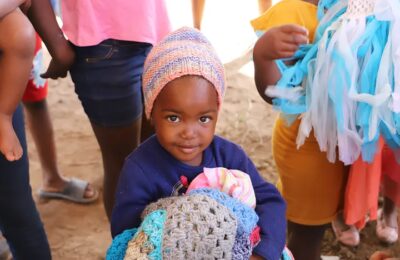
Communities living alongside protected areas play an essential role in the future of conservation. Through employment, training, education and community-centred programmes, Care for Wild helps create pathways for people to become custodians of the wild places and natural heritage around them.
This is how conservation becomes more than protection. It becomes dignity, opportunity, stewardship and shared responsibility.
Protecting wildlife by supporting people
Care for Wild believes that conservation must create value for both wildlife and people.
Communities living alongside protected areas play an essential role in the future of conservation. Through employment, training, education and community-centred programmes, Care for Wild helps create pathways for people to become custodians of the wild places and natural heritage around them.
This is how conservation becomes more than protection. It becomes dignity, opportunity, stewardship and shared responsibility.
Rhinos need more than care. They need wild spaces.
Care for Wild’s work extends beyond rhinos to helping protect the globally significant landscapes of the UNESCO World Heritage-listed Barberton Makhonjwa Mountains, conserving biodiversity, critical habitats and the wild spaces that form part of South Africa’s natural heritage.
Healthy landscapes protect more than rhinos. They protect plant life, ecological balance that supports critical biodiveristy.
When we protect rhinos, we help protect the living landscapes they belong to.
Real stories. Real lives. Real impact.
The impact of Care for Wild’s work is best understood through the rhinos, people and landscapes at the heart of the mission.
Each story offers a glimpse into the journey from loss to life, from rescue to recovery, from trauma to trust, and from care to a future in protected wild spaces.
Rhino Rescue Stories
Follow the journeys of orphaned and injured rhinos through rescue, rehabilitation and recovery..
Rewilding Milestones
See how rehabilitated rhinos take their next steps towards life in protected wild spaces.
People Behind the Rhinos
Meet the caregivers, rangers, field teams and community members who make this work possible.
Conservation Updates
Read field notes, sanctuary updates, biodiversity stories and donor impact updates.
Rhino Rescue Stories
Follow the journeys of orphaned and injured rhinos through rescue, rehabilitation and recovery..
People Behind the Rhinos
Meet the caregivers, rangers, field teams and community members who make this work possible.
Rewilding Milestones
See how rehabilitated rhinos take their next steps towards life in protected wild spaces.
Conservation Updates
Read field notes, sanctuary updates, biodiversity stories and donor impact updates.
How you can help
Care for Wild’s work is made possible by people around the world who choose to act.
Whether you donate, adopt a rhino, fund a practical need, volunteer, stay at Rhino View Lodge, support through your company or foundation, follow us on social media, your contribution helps sustain the daily work of rhino care and conservation.
Donate
Make a once-off or monthly donation to support rhino rescue, rehabilitation, protection and rewilding.
Adopt a Rhino
Choose a rhino, follow their journey and support ongoing care and protection.
Fund a Practical Need
Support a tangible need such as milk, hay bales, bandages, tools, security equipment, uniforms, boots, school supplies, children’s clothing or a current priority project.
Donate
Make a once-off or monthly donation to support rhino rescue, rehabilitation, protection and rewilding.
Adopt a Rhino
Choose a rhino, follow their journey and support ongoing care and protection.
Fund a Practical Need
Support a tangible need such as milk, hay bales, bandages, tools, security equipment, uniforms, boots, school supplies, children’s clothing or a current priority project.
Volunteer
Give your time and support conservation from the ground.
Stay at Rhino View Lodge
Experience a premium conservation stay that supports the Care for Wild mission.
Corporate Giving
Partner with Care for Wild through ESG-aligned support, employee engagement, anti-poaching sponsorship, corporate rhino adoption or major giving.
Volunteer
Give your time and support conservation from the ground.
Stay at Rhino View Lodge
Experience a premium conservation stay that supports the Care for Wild mission.
Corporate Giving
Partner with Care for Wild through ESG-aligned support, employee engagement, anti-poaching sponsorship, corporate rhino adoption or major giving.
Our Work FAQs
What does Care for Wild do?
Why do rhinos need long-term rehabilitation?
What does rewilding mean?
Why is anti-poaching protection so important?
Does Care for Wild only work with rhinos?
How can I support Care for Wild's work?
Does my donation go to a specific rhino or project?
Help protect the whole journey.
Every rescued rhino needs more than a second chance. They need specialist care, patient rehabilitation, protected landscapes, field security and a future where people and wildlife can thrive together.
Care for Wild’s work is built around that whole journey.
Your support helps make it possible.
